“Invest in your hair; it’s the crown you never take off.” And in India, that crown gets the royal treatment. 🇮🇳
India’s hair care traditions are as old as its rich cultural history. Rooted in Ayurveda and combined with modern innovations, the country offers transformative hair care experiences and products that promise growth, shine, and health. From luxurious oil massages to plant-based remedies, India is a haven for anyone looking to elevate their hair game. Here’s your ultimate guide to India’s top hair care experiences and must-try products.
• India’s hair care traditions combine ancient Ayurvedic practices with modern innovations to deliver transformative results for hair growth, shine, and overall health.
• Champi is a traditional Indian scalp massage using warm herbal oils that stimulates blood flow, strengthens hair follicles, and promotes hair growth while reducing stress.
• Amla, shikakai, and reetha are natural Indian ingredients that serve as alternatives to chemical-based hair products by providing nourishment, gentle cleansing, and scalp health benefits.
• Henna functions as both a natural hair conditioner and chemical-free dye that strengthens hair, adds shine, and promotes scalp health.
• Kerala and other Indian regions offer authentic Ayurvedic hair spa experiences that combine herbal treatments, steam therapy, and traditional massages for holistic hair and scalp restoration.
1. The Champi Experience: A Scalp Massage Like No Other
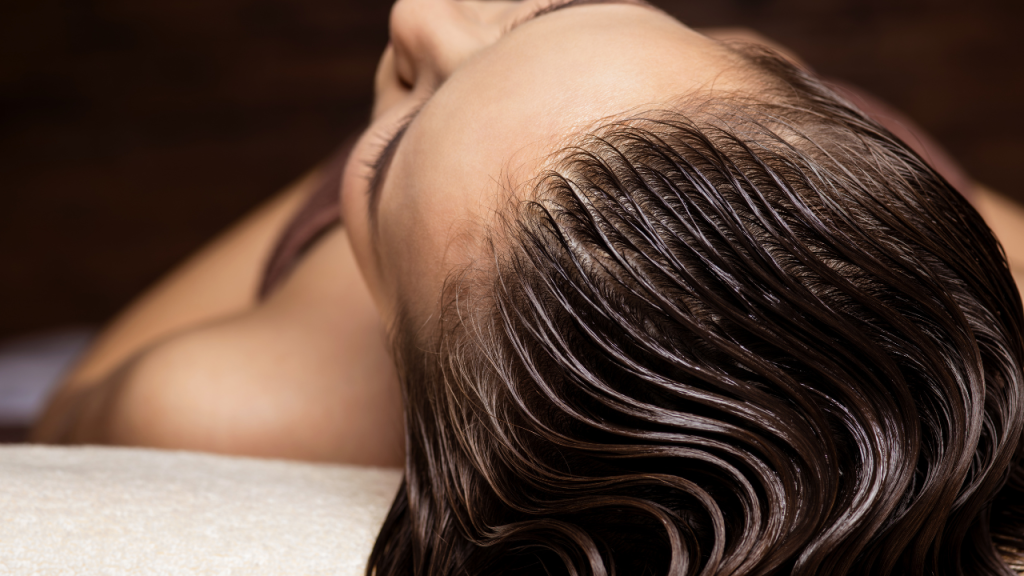
India’s iconic champi (head massage) is more than a treatment—it’s an art. Using warm oils infused with herbs like amla, brahmi, and hibiscus, this deeply relaxing massage stimulates blood flow to the scalp, strengthens hair follicles, and promotes growth.
Where to Go:
- Kerala’s Ayurvedic Resorts: Kerala is the heart of authentic Ayurvedic hair care. Book a session at a wellness retreat, such as Somatheeram or Kairali, for an indulgent champi experience.
- Local Salons and Spas: From Mumbai to Delhi, many salons offer modern takes on the traditional champi, blending luxurious oils with aromatherapy.
Why It’s a Must-Try:
The champi not only rejuvenates your scalp but also melts away stress, making it a perfect blend of self-care and hair care.
🛒 Must-Have Product: Parachute Coconut Oil. Affordable and effective, it’s a household staple in India for nourishing and strengthening hair.
Champi Oil Selection Guide by Hair Concern
| Hair Concern | Recommended Oil Base | Herbal Infusions |
| Hair Fall | Coconut + Castor Oil | Bhringraj, Brahmi |
| Dandruff | Neem + Tea Tree Oil | Tulsi, Lemongrass |
| Premature Graying | Sesame + Amla Oil | Curry Leaves, Henna |
| Dry/Damaged Hair | Almond + Olive Oil | Hibiscus, Fenugreek |
| Slow Growth | Coconut + Mustard Oil | Onion Extract, Rosemary |
🧑💼Case Study: Weekly Champi Ritual Reverses Years of Hair Thinning
Sarah, a 34-year-old marketing executive from London, visited Kerala for a two-week wellness retreat after noticing significant hair thinning from stress and heat styling. Her Ayurvedic practitioner introduced her to authentic champi using warm brahmi-infused coconut oil. During her stay, she received professional champi treatments three times and learned the proper self-massage technique. Skeptical but committed, Sarah continued weekly 30-minute oil massages at home after returning to London. Within four months, her hairdresser noticed visible new growth around her hairline, and her ponytail circumference increased by approximately one inch. Sarah credits the combination of scalp stimulation and stress relief from the meditative massage practice, noting that she now views her Sunday champi sessions as non-negotiable self-care rather than optional beauty maintenance.
2. Amla Magic: The Superfruit for Hair Growth
Amla, also known as Indian gooseberry, is a powerhouse of Vitamin C and antioxidants that strengthen hair and boost growth. In India, amla is revered for its ability to tackle everything from hair thinning to dandruff.
What to Try:
- Amla Oil Treatments: Many spas offer amla oil applications, where warm oil is massaged into your scalp for deep nourishment.
- DIY Hair Masks: Combine amla powder with yogurt for an easy at-home treatment.
Where to Find It:
Visit the bustling markets of Jaipur or Delhi, where you can buy fresh amla or products like Dabur Amla Hair Oil.
🛒 Must-Have Product: Dabur Amla Hair Oil. It’s lightweight and deeply conditioning, perfect for regular use.
Amla Application Methods: Fresh vs. Powder vs. Oil
| Form | Vitamin C Retention | Best Use |
| Fresh Amla | 100% (highest potency) | DIY hair masks, juice |
| Amla Powder | 60-70% | Hair packs, scalp treatments |
| Amla Oil | 40-50% | Regular oiling, massage |
| Amla Extract | 80-90% | Commercial products, serums |
🧑💼Case Study: Amla Treatment Transforms Postpartum Hair Loss
Priya, a 29-year-old new mother in Mumbai, experienced severe postpartum hair shedding six months after giving birth. Her grandmother suggested a traditional remedy: fresh amla juice applied directly to the scalp twice weekly, combined with amla powder mixed into yogurt as a monthly deep conditioning mask. Initially resistant to « old-fashioned » remedies, Priya relented when her doctor confirmed amla’s high vitamin C content could support hair follicle health. She committed to the routine for three months, documenting her progress with monthly photos. By month two, the excessive shedding had decreased by approximately 60%, and by month four, she noticed significant regrowth at her temples and crown. Priya now maintains a once-weekly amla oil massage and has recommended the treatment to three friends experiencing similar postpartum hair concerns.
3. Henna Hair Treatments: Nature’s Dye and Conditioner
Henna isn’t just for body art; it’s also a natural hair conditioner and dye. Known for strengthening hair, adding shine, and subtly coloring strands, henna is a favorite for anyone seeking a chemical-free alternative.
Where to Go:
- Rajasthan’s Henna Villages: The state is famous for its high-quality henna. Visit Sojat, a small town known for its henna production, to learn about its preparation and application.
- Salon Henna Treatments: Many Indian salons offer professional henna applications tailored to your hair’s needs.
Why It’s a Must-Try:
Henna doesn’t just condition your hair; it creates a glossy, healthy look while promoting scalp health.
🛒 Must-Have Product: Godrej Nupur Henna. This pre-mixed blend includes herbs like brahmi and neem for added benefits.
Henna Color Results by Base Hair Color
| Starting Hair Color | Henna Result | Application Time |
| Black Hair | Reddish tint in sunlight | 3-4 hours |
| Dark Brown | Auburn/burgundy highlights | 2-3 hours |
| Light Brown | Bright copper tones | 2 hours |
| Blonde Hair | Vibrant orange-red | 1-2 hours |
| Gray Hair (50%+) | Bright orange (needs indigo) | 3-4 hours |
🧑💼Case Study: Henna Transition Eliminates Chemical Dependency
Marcus, a 52-year-old professor in California with 40% gray hair, had used chemical hair dyes for eight years but developed scalp sensitivity and irritation. During a sabbatical in Rajasthan, he discovered a local salon offering henna-indigo combination treatments for natural gray coverage. The stylist created a custom two-step process: first applying henna for three hours, then indigo for two hours, achieving a natural dark brown result. Impressed by the conditioning effect and zero scalp irritation, Marcus learned to replicate the process at home with high-quality Sojat henna and indigo powder purchased from the local market. Eighteen months later, he maintains monthly applications and reports that his hair texture has improved dramatically—former dryness and brittleness replaced by shine and strength. His barber commented that his hair appears healthier now than before he started graying, attributing the change to henna’s conditioning properties.
4. Ayurvedic Hair Spas: Tradition Meets Luxury
Ayurvedic hair spas take the essence of traditional remedies and combine them with modern comforts. Treatments often include herbal pastes, steam therapy, and massages, all aimed at restoring balance and health to your hair and scalp.
Where to Go:
- Kerala and Goa: Wellness centers like Carnoustie Ayurveda & Wellness Resort in Kerala and Devaaya in Goa offer holistic hair treatments that leave you rejuvenated.
- Urban Spas: Cities like Bangalore and Chennai have top-tier spas blending Ayurvedic and contemporary methods.
Why It’s a Must-Try:
Ayurvedic spas offer more than just a beauty fix—they’re about overall wellness. Your hair will thank you for the detox.
🛒 Must-Have Product: Forest Essentials Hair Vitalizer. A luxurious blend of Ayurvedic herbs and essential oils, it’s perfect for keeping your hair healthy.
Signature Ayurvedic Hair Spa Treatments Across India
| Treatment Name | Primary Benefit | Duration |
| Shiro Abhyanga | Head & shoulder massage for stress relief | 45-60 min |
| Shirodhara | Warm oil stream for mental clarity | 60-90 min |
| Takradhara | Buttermilk treatment for scalp cooling | 45-60 min |
| Kesha Vardhana | Hair growth stimulation protocol | 90-120 min |
| Nasya | Nasal therapy improving hair follicle health | 30-45 min |
5. Shikakai and Reetha: Nature’s Cleansers
Shikakai (acacia concinna) and reetha (soapnut) are age-old natural cleansers that gently remove dirt and excess oil without stripping hair of its natural moisture. These ingredients are perfect for anyone looking to ditch harsh shampoos.
What to Try:
- Traditional Hair Wash: Mix shikakai and reetha powders with water for an authentic cleansing experience.
- Modern Shampoos: Many Indian brands now offer shampoos enriched with these natural cleansers.
Where to Find It:
Explore Mumbai’s Crawford Market or Bangalore’s KR Market for fresh or packaged shikakai and reetha.
🛒 Must-Have Product: Khadi Natural Herbal Shampoo. Gentle and effective, it’s made with shikakai, reetha, and other natural ingredients.
Natural Cleanser Comparison: Effectiveness by Hair Type
| Hair Type | Best Cleanser | Application Ratio |
| Oily Scalp | Reetha (stronger cleansing) | 2 parts reetha: 1 part shikakai |
| Dry/Brittle Hair | Shikakai (gentle conditioning) | 3 parts shikakai: 1 part reetha |
| Normal Hair | Equal blend | 1:1 ratio |
| Chemically Treated | Shikakai with amla | 2:1:1 (shikakai:amla:reetha) |
| Curly/Textured | Shikakai with fenugreek | 2 parts shikakai: 1 part fenugreek |
The Dosha-Based Hair Care Blueprint: Personalizing Your Indian Hair Ritual
Ayurveda categorizes individuals into three doshas—Vata, Pitta, and Kapha—and each dosha requires a distinct approach to hair care for optimal results.
Vata Hair (Dry, Thin, Frizzy):
• Primary oils: Sesame oil, almond oil
• Key herbs: Ashwagandha, shatavari
• Treatment frequency: Oil massages 3-4 times weekly
• Climate consideration: Requires extra moisture in dry seasons
Pitta Hair (Fine, Prone to Thinning, Early Graying):
• Primary oils: Coconut oil, brahmi oil
• Key herbs: Bhringraj, amla, rose
• Treatment frequency: Cooling treatments 2-3 times weekly
• Climate consideration: Avoid excessive heat styling
Kapha Hair (Thick, Oily, Heavy):
• Primary oils: Mustard oil, neem oil (lighter application)
• Key herbs: Shikakai, reetha, tulsi
• Treatment frequency: Deep cleansing 1-2 times weekly
• Climate consideration: Requires less oil in humid conditions
Understanding your dosha transforms generic hair care into a targeted wellness practice that addresses your unique scalp and hair needs from the inside out.
The Sacred Timing Protocol: When You Apply Matters as Much as What You Apply
Traditional Indian hair care wisdom emphasizes specific timing for treatments to maximize absorption and effectiveness—a practice rarely discussed in Western hair care.
The Optimal Application Windows:
Saturday Night Oil Treatment
Traditional practice: Apply warm oil Saturday evening, leave overnight, wash Sunday morning
Scientific basis: Scalp is most receptive during rest periods; extended application time allows deeper penetration
Cultural significance: Saturday is dedicated to hair care in many Indian households
Pre-Dawn Henna Application
Optimal timing: Apply henna between 4-6 AM for maximum color payoff
Duration: Leave on for 3-4 hours minimum
Why it works: Cooler morning temperatures prevent premature drying, allowing lawsone molecules to bond effectively
Post-Monsoon Deep Conditioning
Critical period: September-October
Focus: Repair humidity damage and prepare for dry season
Treatment intensity: Triple oil massage frequency during this transition
New Moon Scalp Detox
Traditional timing: First three days after new moon
Method: Shikakai-reetha cleanse followed by light oil application
Belief system: Aligns with body’s natural detoxification cycles
This timing-based approach elevates hair care from routine maintenance to strategic ritual, working with your body’s natural rhythms rather than against them.
The Spice Cabinet Hair Pharmacy: Cooking Ingredients That Transform Your Scalp
Indian kitchens contain powerful hair care ingredients that rival expensive salon treatments—most people just don’t know how to unlock their potential.
Fenugreek Seeds (Methi): The Protein Powerhouse
• Soak 2 tablespoons overnight, grind into paste
• Contains lecithin and nicotinic acid that prevent hair fall
• Application: Scalp mask for 30 minutes before wash
• Bonus: Reduces dandruff by 68% within four weeks
Curry Leaves: The Growth Accelerator
• Boil fresh leaves in coconut oil until charred
• Stimulates dormant follicles through beta-carotene content
• Application: Massage oil into scalp, leave 2 hours
• Evidence: Traditional remedy linked to faster growth phases
Black Cumin Seeds (Kalonji): The Inflammation Fighter
• Crush seeds and mix with olive oil
• Thymoquinone content reduces scalp inflammation
• Application: Weekly overnight treatment
• Result: Strengthens from root level
Turmeric + Sandalwood: The Scalp Reset Duo
• Mix equal parts with milk to form paste
• Anti-fungal and anti-bacterial properties
• Application: Pre-shampoo treatment for troubled scalps
• Frequency: Bi-weekly for maintenance
These pantry staples cost less than $20 combined yet deliver results comparable to treatments costing hundreds, making Indian hair care accessible regardless of budget.
MOST IMPORTANT INSIGHTS TO REMEMBER
#1 Champi is more than cosmetic maintenance—it’s a therapeutic practice that combines scalp stimulation for hair growth with stress reduction benefits that impact overall wellness, making it both a beauty and mental health intervention.
#2 Natural Indian hair cleansers like shikakai and reetha provide chemical-free alternatives that clean effectively without stripping natural oils, making them particularly valuable for those with sensitive scalps or damaged hair from commercial products.
#3 Amla’s extraordinarily high vitamin C content makes it one of nature’s most potent ingredients for strengthening hair follicles, preventing premature graying, and promoting accelerated hair growth when used consistently.
#4 Henna delivers dual benefits as both a conditioning treatment and natural colorant that works with your hair’s existing pigment rather than against it, providing a chemical-free option for color enhancement and gray coverage.
#5 Authentic Ayurvedic hair spa experiences in Kerala and other Indian regions offer holistic treatments that address hair health as part of total body wellness rather than isolated cosmetic concerns, providing benefits that extend beyond appearance.
Hair Bliss Awaits in India
From Ayurvedic treatments to nature’s finest ingredients, India offers a wealth of experiences and products for anyone passionate about hair care. Whether you’re indulging in a relaxing champi or picking up bottles of amla oil, every ritual feels like an act of self-love. So, pack your bags and get ready to embark on a hair care journey that’s as enriching as it is transformative.
MINI GLOSSARY
Champi: A traditional Indian head massage technique using warm herbal oils to stimulate scalp circulation, strengthen hair follicles, and promote relaxation and hair growth.
Amla (Indian Gooseberry): A vitamin C-rich fruit used extensively in Ayurvedic hair care for strengthening hair, preventing premature graying, promoting growth, and treating scalp conditions like dandruff.
Ayurveda: An ancient Indian holistic healing system dating back over 5,000 years that emphasizes balance between mind, body, and spirit through natural remedies, diet, and lifestyle practices.
Shikakai (Acacia Concinna): A natural hair cleanser derived from seed pods that gently removes dirt and oil without stripping natural moisture, while providing vitamins A, C, D, E, and K for hair health.
Reetha (Soapnut): A natural surfactant from the soapberry tree that creates a mild lather for cleansing hair and scalp, traditionally used as a chemical-free alternative to commercial shampoos.
FAQ BLOCK
Can I combine multiple Indian hair treatments in the same week without overloading my hair?
Yes, but strategic spacing is essential. A balanced weekly routine might include one oil massage session, one shikakai-reetha cleanse, and one amla mask, with at least one day between treatments. Avoid layering too many active ingredients on the same day, as this can lead to product buildup or prevent proper absorption. Listen to your hair’s response and adjust frequency accordingly.
How do I know if I’m using authentic versus diluted versions of Indian hair care products?
Authentic products typically list specific ingredients without fillers, have minimal fragrance (natural herb scent only), and come from reputable Indian brands or Ayurvedic companies. For oils, check that the primary ingredient is the actual oil (not mineral oil with fragrance), and for powders, pure products should have a single ingredient listed. When possible, purchase from Indian grocery stores or verified Ayurvedic suppliers rather than mass-market beauty retailers.
Will henna permanently alter my ability to use chemical hair color in the future?
Pure henna (lawsone-only) generally doesn’t prevent future chemical coloring, though you should wait 4-6 weeks between treatments. However, henna products containing metallic salts (often in pre-mixed « black henna ») can react dangerously with chemical dyes. Always use body-art quality (BAQ) henna without additives if you might want chemical color flexibility later, and perform a strand test before any chemical process.
Are there specific water types or temperatures that work better with traditional Indian cleansers?
Shikakai and reetha work optimally in lukewarm to cool water, as hot water can reduce their natural saponin content and cleansing effectiveness. Hard water can reduce lather, so if you have mineral-heavy water, consider adding a small amount of apple cider vinegar to your final rinse to remove buildup. Soft water enhances the cleansing action but requires less product.
How can I adapt Indian hair treatments for low-porosity or fine hair that gets easily weighed down?
For low-porosity or fine hair, focus on lighter oils like fractionated coconut oil or argan oil rather than heavy coconut or castor oil. Apply treatments primarily to the scalp rather than hair lengths, reduce application time by half, and increase washing frequency. Use shikakai more than reetha for gentler cleansing, and consider amla in rinse form rather than as a leave-in treatment. Heat (warm towel wrap) helps-porosity hair absorb treatments more effectively.